Table of contents
Driving smarter growth decisions in HubSpot by turning conversations into insight, not just resolution.
Banks and credit unions generate far more digital engagement than most teams realize. Chat sessions, co-browse interactions, voice calls, and video conversations surface questions, hesitation, confusion, and intent long before those signals appear in traditional reports.
Yet in many institutions, once a digital interaction is resolved, it effectively disappears.
The issue is not lack of data. It is that most organizations do not have a clear way to interpret what digital engagement is telling them over time.
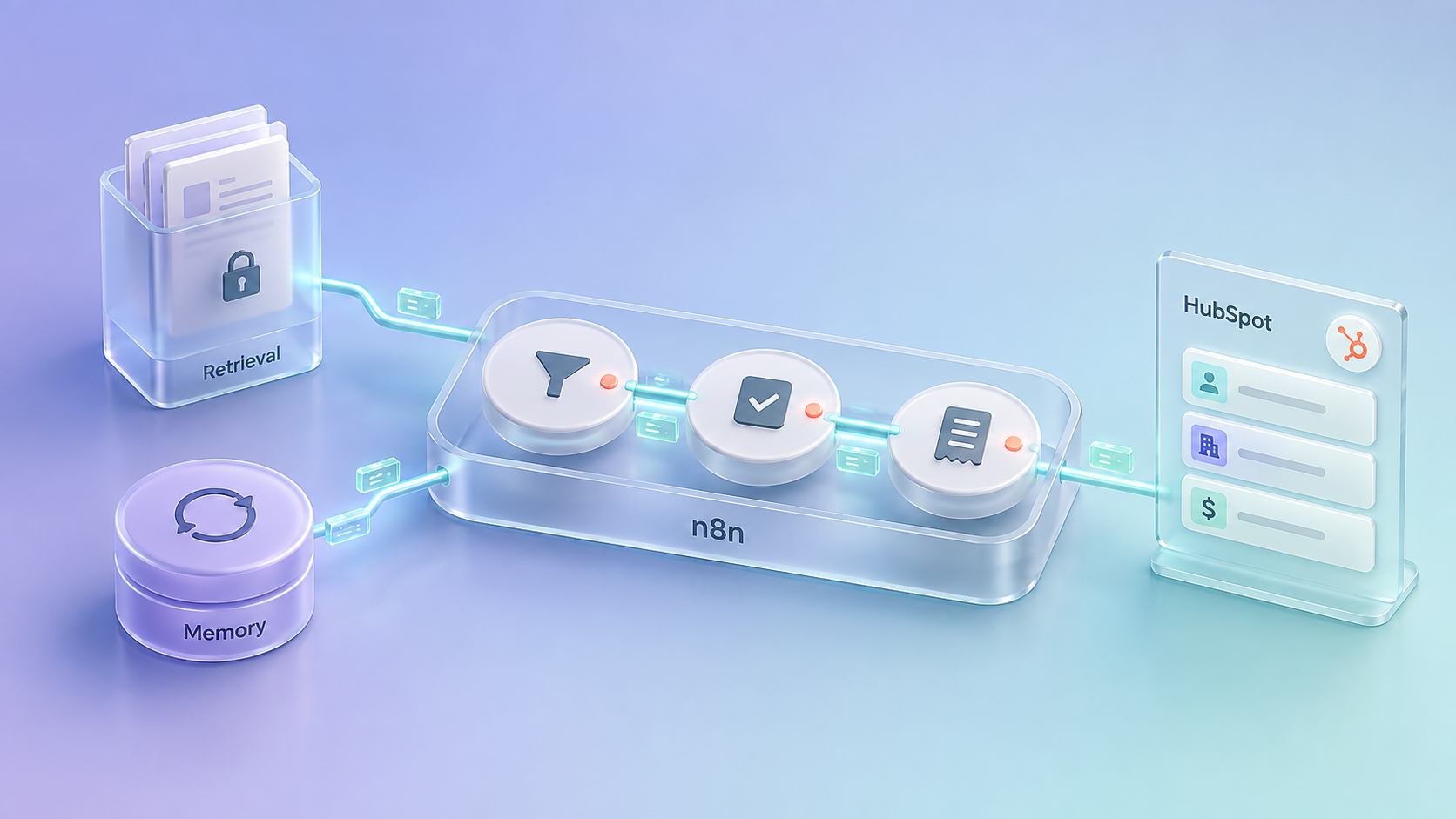
This article explores how we help institutions use HubSpot as an interpretation layer for Glia engagement signals, without turning CRM into a service desk or creating unnecessary exposure. The perspective here comes from working in regulated banking environments where insight, restraint, and long-term usability matter more than technical completeness.
Who This Is For
This is written for:
- Marketing and growth leaders looking for earlier indicators of opportunity or friction
- Heads of CX strategy responsible for lifecycle experience
- COOs and executive sponsors focused on alignment across teams
- Teams responsible for acquisition, onboarding, and retention
This work is often assumed to be an extension of service or escalation. In reality, it is about whether the organization is learning anything durable from the conversations it resolves every day.
The Missed Opportunity in Digital Engagement
Most institutions treat digital conversations as isolated events. A question is answered, a task is completed, and the interaction ends.
What gets lost is the pattern.
Across hundreds or thousands of interactions, the same themes tend to repeat:
- Customers hesitate at the same step in onboarding
- The same product features trigger confusion
- Certain questions appear right before attrition or expansion
Without a system to surface these patterns, teams are left reacting instead of learning.
And learning is where growth actually comes from.
Why CRM Matters Here and Where Teams Get Tripped Up
HubSpot’s role in this context is not execution. It is interpretation.
That distinction matters.
We often see teams attempt to use CRM as a catch-all repository for engagement data. Every chat becomes a record. Every call becomes an activity. The result is noise, not insight.
When engagement signals are reflected alongside lifecycle context such as accounts, stages, products, and history, teams can begin to understand behavior rather than just outcomes. That is when engagement data becomes useful.
CRM as an Interpretation Layer
When designed deliberately, CRM allows institutions to:
- Identify recurring friction points
- Understand timing and intent, not just volume
- See how engagement differs across lifecycle stages
- Connect questions to outcomes over time
Automation tends to get most of the attention. What teams usually struggle with more is understanding what they are seeing, why it keeps showing up, and what, if anything, it should change.
One important nuance is restraint. Not every signal needs to be captured, and not every insight needs to trigger action.
Strategic Use Cases We See Most Often
Improving Onboarding Experiences
Repeated digital questions during early account stages often point to unclear processes or missing guidance.
When teams can see these patterns aggregated rather than one interaction at a time, they can adjust content, timing, and education before friction turns into dissatisfaction.
Retention and Relationship Depth
Changes in engagement behavior frequently precede churn or expansion. Increased questions, sudden silence, or new topics can all be signals.
The goal is not to intervene on every signal. It is to recognize trends early enough to respond thoughtfully.
CX and Marketing Alignment
When engagement patterns intersect with campaigns or outreach, relevance improves and generic messaging decreases.
This is one of the fastest ways to reduce internal friction between CX and marketing teams.
Guardrails That Matter
This approach only works with clear boundaries.
Effective designs emphasize:
- Selective signal capture
- High-level categorization rather than transcripts
- Clear separation from service workflows
- Respect for data minimization principles
If this is designed carelessly, teams can start to feel monitored rather than supported. That is usually when trust erodes and the effort quietly loses momentum.
Why This Is Different from Service Integration
Service integrations focus on resolution. Tickets, escalation, ownership.
This approach focuses on interpretation. Patterns, timing, and meaning.
Blurring the two creates problems. CRM becomes cluttered, teams become defensive, and insights get buried under operational detail.
We actively advise teams to keep these use cases separate.
How Learners.ai Thinks About Engagement Signals
We help institutions treat CRM as a system for understanding relationships, not just managing tasks.
Our work usually starts by slowing teams down and asking:
- What decisions should this data inform
- Who is responsible for interpreting it
- What happens if we do nothing
Especially in regulated environments, over-collection and misinterpretation can introduce risk without delivering value. In many cases, the most valuable outcome is not immediate action, but shared understanding.
Where Teams Get Stuck
The most common failure mode is not technical. It is organizational.
Teams capture signals once, look at them briefly, and then move on. No ownership is assigned. No rhythm is established. The insight layer quietly fades.
Sustainable value comes from treating interpretation as an ongoing practice, not a one-time report.
Closing Thought
Digital engagement contains more information than most institutions realize.
When those signals are thoughtfully reflected in CRM, teams gain a clearer view of customer needs, friction, and opportunity without overwhelming systems or people.
For leaders focused on growth and experience, learning from digital engagement is often the next frontier.