For many banks and credit unions, the challenge is no longer whether they have enough customer data. It is whether they can actually use that data in a way that is timely, relevant, and compliant.
Marketing teams want to segment better. Sales teams want cleaner signals. Leadership wants growth that can be measured. But the data that makes those outcomes possible often lives outside the CRM, while the rules governing who can be contacted sit somewhere else entirely.
That is where the disconnect starts.
Lodestar may hold the data that tells you what products a customer has, what lifecycle stage they are in, and whether they are even eligible to receive a campaign. HubSpot may be the system where outreach, workflows, sales follow-up, and reporting actually happen. But when those environments are not aligned, teams default to broad campaigns, delayed follow-up, and compliance caution that limits what marketing can do.
Why Integrate HubSpot and Lodestar?
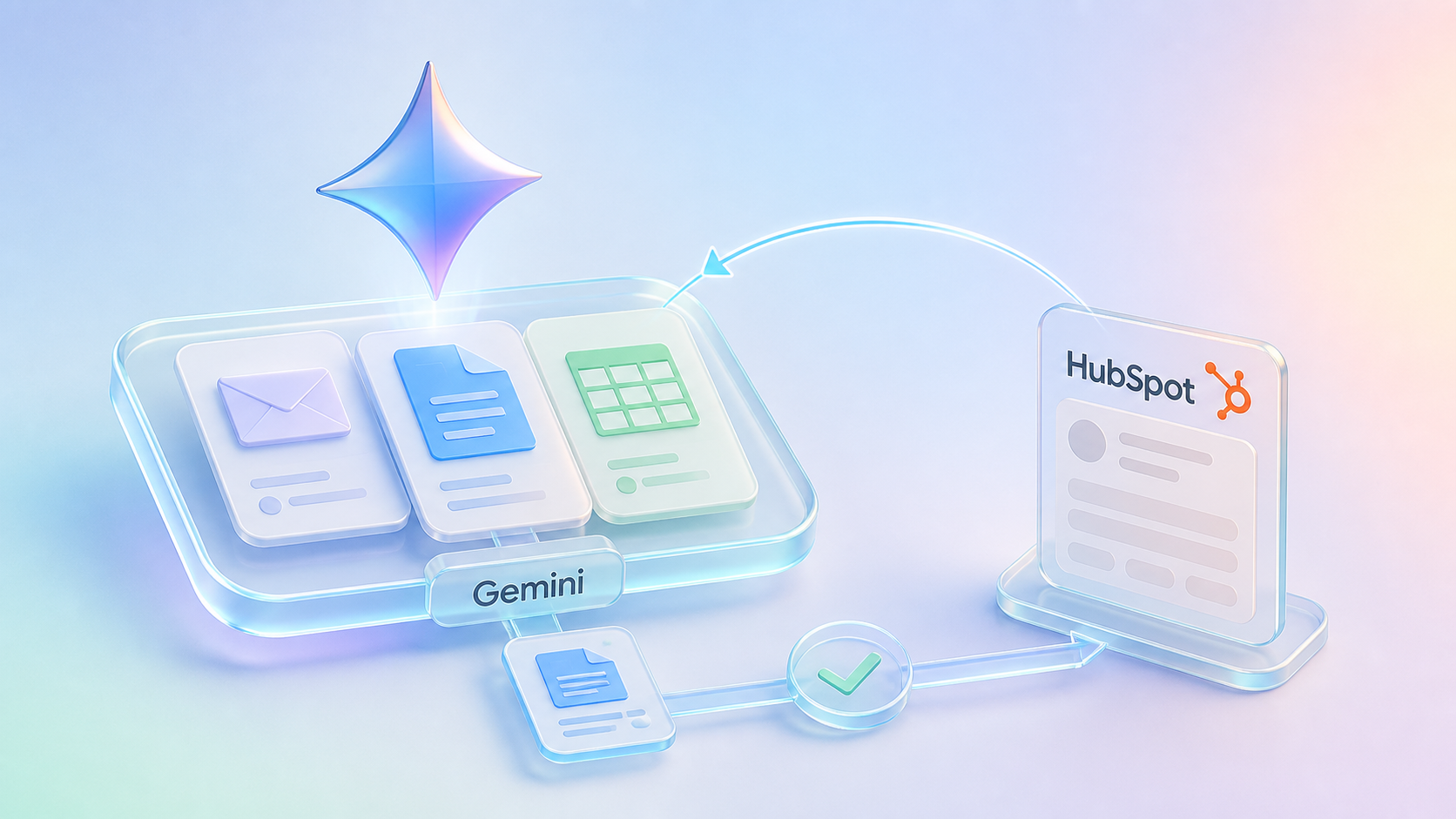
A HubSpot and Lodestar integration gives financial institutions a more practical way to run personalized marketing and timely sales follow-up without losing control of consent, data accuracy, or governance.
Instead of forcing marketers to work with stale exports, manual filters, or disconnected audience lists, the integration allows HubSpot to operate using the data conditions Lodestar already understands.
That changes a few important things.
Cleaner Audience Eligibility
If Lodestar is the system tracking communication permissions, relationship status, or customer-level eligibility, HubSpot should not be guessing. Integration allows the CRM to act on the right audience at the right time using current consent and segmentation rules.
More Relevant Campaigns
When product holdings, relationship signals, or lifecycle markers are visible in HubSpot, marketers can stop defaulting to generic outreach and start building more useful targeting logic.
Stronger Sales Handoffs
Not every signal should stay in marketing. A product need, renewal window, or high-intent behavior can become a task, lead, or follow-up inside HubSpot for the right advisor or team.
Better Reporting
When campaign activity, consent status, and downstream opportunity signals are better aligned, institutions get a more credible view of what is driving engagement and pipeline.
Defining System Roles Across the Marketing and Data Stack
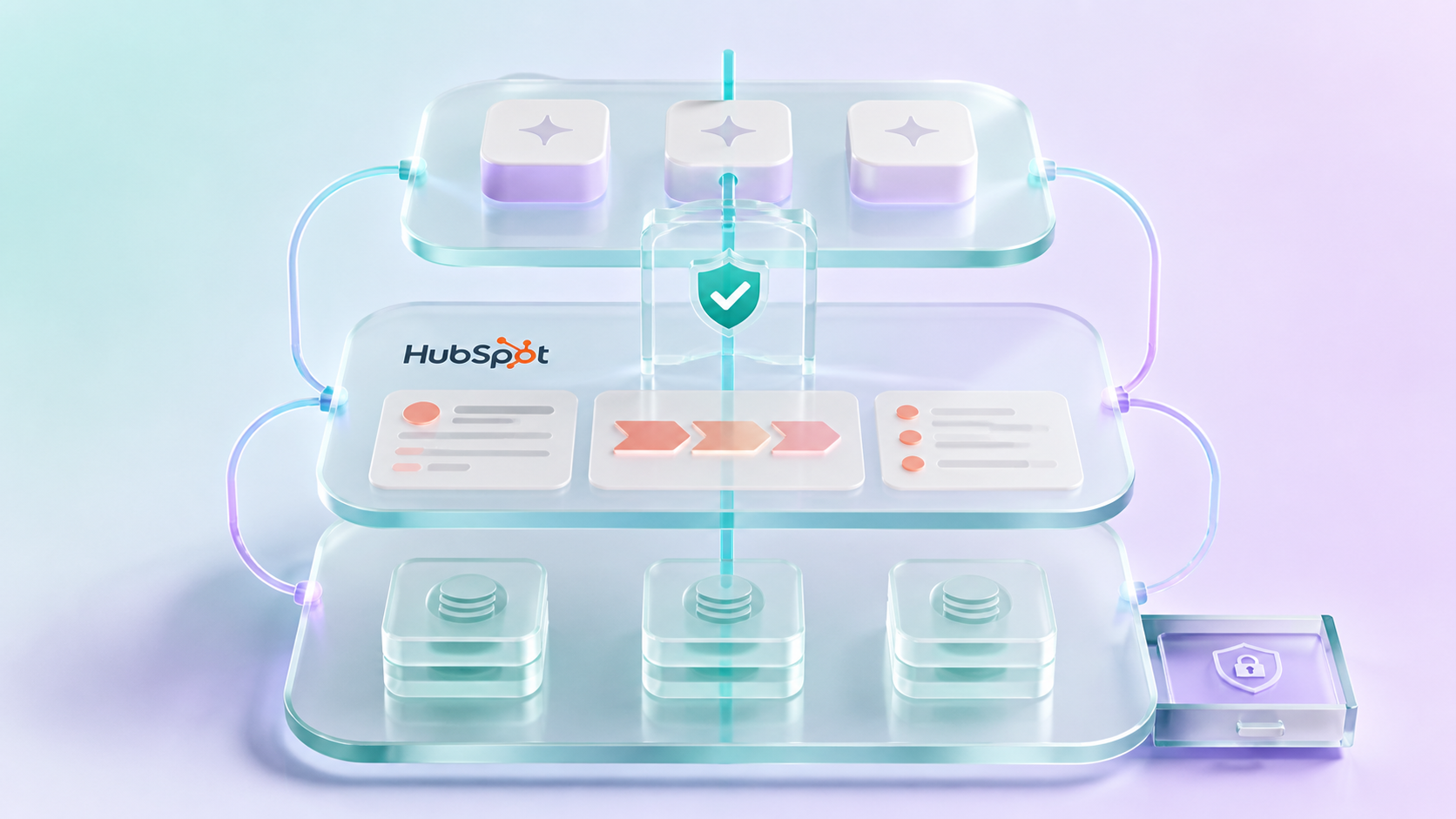
The integration works best when each system keeps a clear role.
|
Scenario |
HubSpot |
Lodestar |
|
Campaign execution |
✔ Yes |
–
|
|
Marketing automation workflows |
✔ Yes
|
–
|
|
Sales follow-up tasks and pipeline activity |
✔ Yes
|
–
|
|
Customer consent status |
–
|
✔ Yes
|
|
Product and relationship data |
–
|
✔ Yes
|
|
Audience eligibility rules |
✔ Yes |
✔ Yes |
|
Personalization inputs for campaigns |
✔ Yes |
✔ Yes |
|
Compliance source of truth |
– |
✔ Yes |
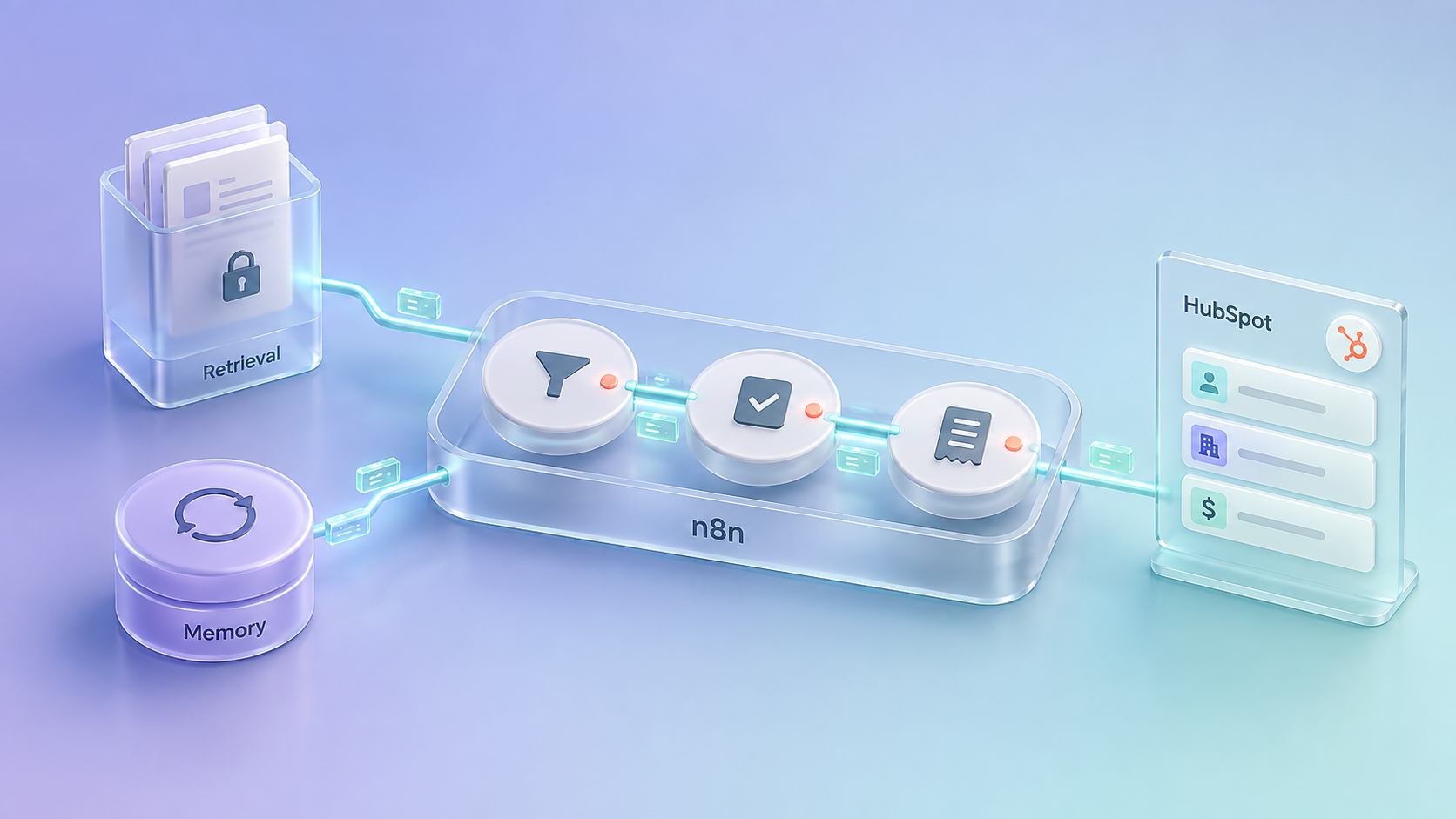
HubSpot should be the system that executes outreach, routes follow-up, and tracks marketing and sales activity.
Lodestar should remain the system supplying the customer context, product visibility, and consent intelligence that determines whether and how that outreach should happen.
When those lines blur, teams either over-message, under-use their data, or create too much manual review between compliance and campaign execution.
Where Financial Institutions Usually Get Stuck
Most institutions are not short on data. They are short on usable alignment between data, targeting, and action.
A marketing team may know they want to reach:
- Customers with one product but not another
- Members nearing a key milestone
- Customers who recently engaged with a financial topic
- Account holders who now fit a higher-value segment
But if the necessary data lives in Lodestar while execution lives in HubSpot, that simple campaign becomes harder than it should be.
The result is predictable:
- Static lists
- Delayed exports
- Broad segmentation
- Manual approvals
- Slower follow-up from sales
- More hesitation around compliance
Over time, this limits both growth and agility.
What the Integration Actually Changes
A HubSpot and Lodestar integration does not just move fields between systems.
It creates a cleaner operating model for compliant engagement.
That means HubSpot can act on:
- Current consent status
- Current product data
- Current segmentation logic
- Current customer signals
without forcing teams to rebuild the audience manually every time.
Instead of asking marketing to assemble the campaign from scratch, the institution can let the CRM respond to the right conditions as they exist in the underlying data environment.
For example:
- A customer becomes eligible for a specific offer
- An account holder reaches a segment threshold
- A renewal or product milestone is approaching
- A cross-sell gap becomes clear based on product mix
- A relationship signal should trigger advisor follow-up
Those moments can become usable actions inside HubSpot rather than static observations inside Lodestar.
How This Supports Personalized Marketing
Personalization in banking is often talked about too broadly.
In practice, it is usually much simpler than that.
It means sending the right message to the right customer based on what the institution already knows, while making sure that communication is appropriate and permitted.
With Lodestar feeding customer and product context into HubSpot, institutions can build campaigns around things like:
- Product ownership gaps
- Relationship stage
- Renewal timing
- Segment changes
- Engagement signals
- Branch or advisor alignment
That allows marketing to move from general promotion to more targeted lifecycle communication.
Instead of sending the same message to everyone, institutions can tailor outreach around actual customer conditions.
That improves relevance without requiring a fully custom journey for every person.
How This Supports Sales and Advisory Teams
The integration is not only useful for marketing.
It also makes HubSpot more actionable for sales and relationship teams.
When Lodestar identifies a meaningful signal, that information can support:
- Task creation
- Lead routing
- Pipeline activity
- Advisor alerts
- Follow-up workflows
This matters because many financial institutions already have the customer need. They just do not surface it in a way that the front office can act on quickly.
A well-structured integration closes that gap.
Instead of waiting for someone to compile a report or notice an opportunity manually, HubSpot can help route the signal into a usable action.
That creates faster response times and better internal coordination without forcing advisors to work inside multiple systems.
Why Compliance Has to Sit at the Center
The real weight here is not just data access. It is controlled, compliant activation.
If Lodestar is the source of truth for consent, eligibility, or communication status, then HubSpot should be working from that reality at all times.
That gives institutions a better way to:
- Suppress ineligible contacts
- Respect opt-in and opt-out logic
- Maintain cleaner campaign governance
- Reduce the risk of outdated audience data
- Support auditability around outreach decisions
This is especially important in environments where email, SMS, or other outreach must be carefully governed.
The point is not simply to send more campaigns.
It is to send smarter campaigns with fewer compliance blind spots.
What a Strong Integration Design Requires
A useful HubSpot and Lodestar integration depends on a few clear design choices.
Clear Ownership of Fields and Rules
Not every field should move both ways. Teams need to decide which system owns what.
A Practical View of Eligibility
Consent, segmentation, and customer status need to be translated into rules HubSpot can actually act on.
Reliable Record Matching
Contacts and customer records need to stay aligned without duplication or conflicting updates.
Marketing and Sales Alignment
The institution needs agreement on which data conditions trigger campaigns and which ones should route to human follow-up.
Governance, Not Just Connectivity
This integration should support control, auditability, and data discipline, not just convenience.
What the Institution Gains
When HubSpot and Lodestar are connected properly, the benefits are operational as much as commercial.
Better Campaign Precision
Audiences are built from live data instead of static exports.
Improved Compliance Confidence
Teams can execute with more control over who is eligible to receive communications.
Faster Advisor Response
Useful customer signals become actions inside HubSpot instead of staying buried in data systems.
Stronger Customer Relevance
Outreach is based on actual product relationships and lifecycle context.
More Credible Reporting
Marketing and sales activity can be evaluated against richer customer and opportunity data.
Bottom Line
Banks and credit unions do not usually struggle because they lack customer data.
They struggle because the systems holding that data are too far removed from the systems expected to act on it.
HubSpot is well suited for campaign execution, workflow automation, and follow-up visibility. Lodestar is well suited to hold the customer, product, and consent intelligence that makes those actions useful and compliant.
The value comes from connecting them in a way that gives marketing and sales better timing, better targeting, and better control.
For financial institutions trying to improve personalization without creating compliance risk, a HubSpot and Lodestar integration creates a much more usable path forward.
It turns data from something teams reference into something they can act on.
Explore Related Resources